
March – May 6–20°C in Thimphu
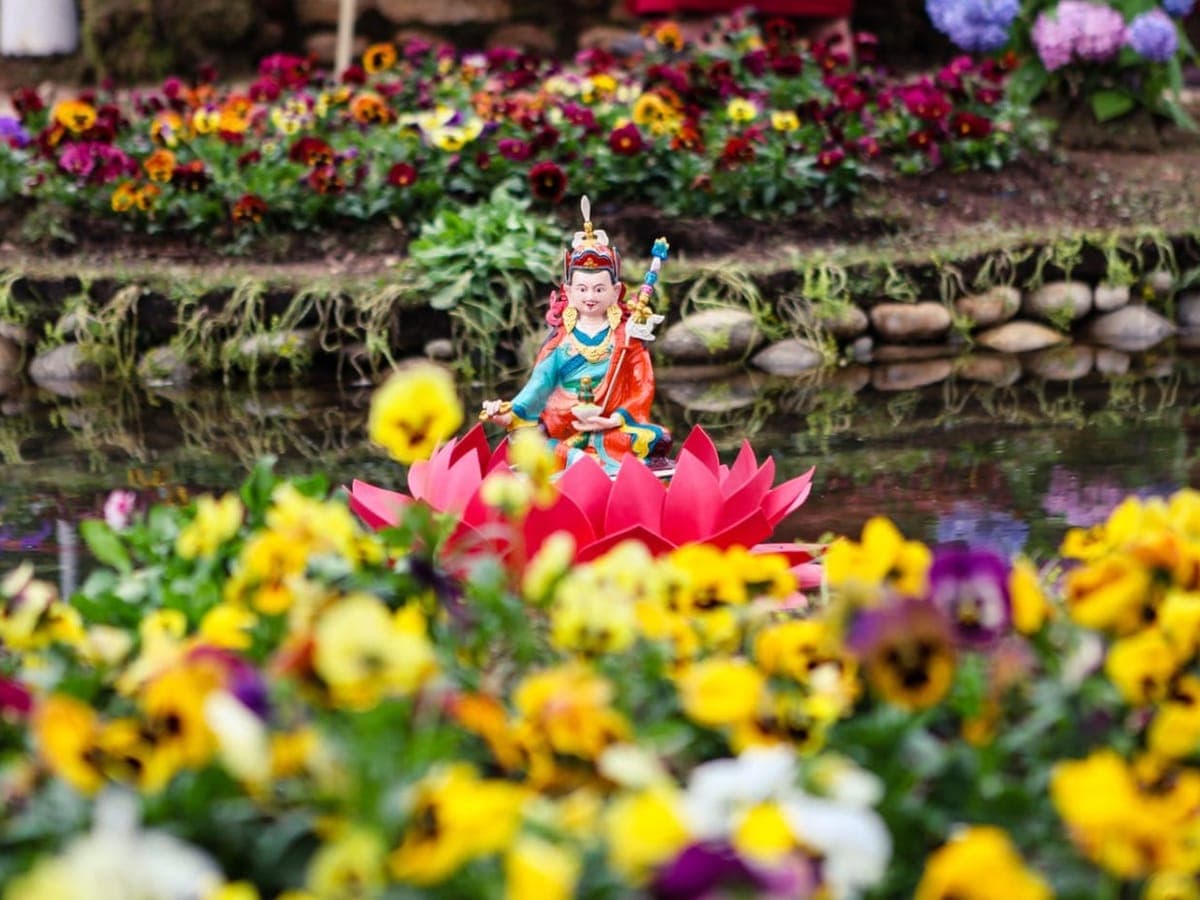
Rhododendrons bloom above 3,000 m and the weather stays pleasantly mild, with early monsoon showers arriving in May.
- Rhododendron blooms
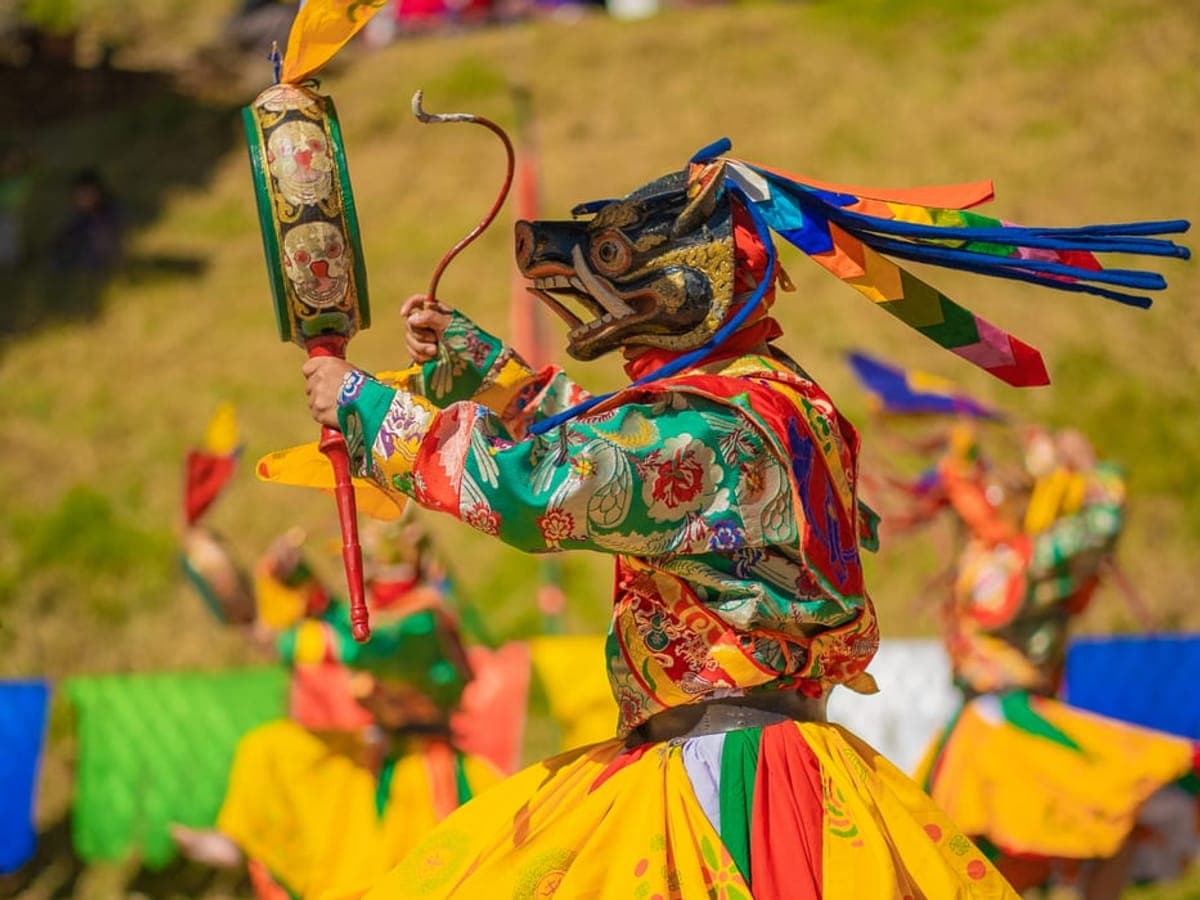
- Paro Tshechu
- Moderate-altitude treks
- River rafting

Getting Ready
Spring and autumn are peak season, but Bhutan is visitable year-round — each season offers something different.
March – May 6–20°C in Thimphu
Rhododendrons bloom above 3,000 m and the weather stays pleasantly mild, with early monsoon showers arriving in May.
June – August 12–20°C in Thimphu
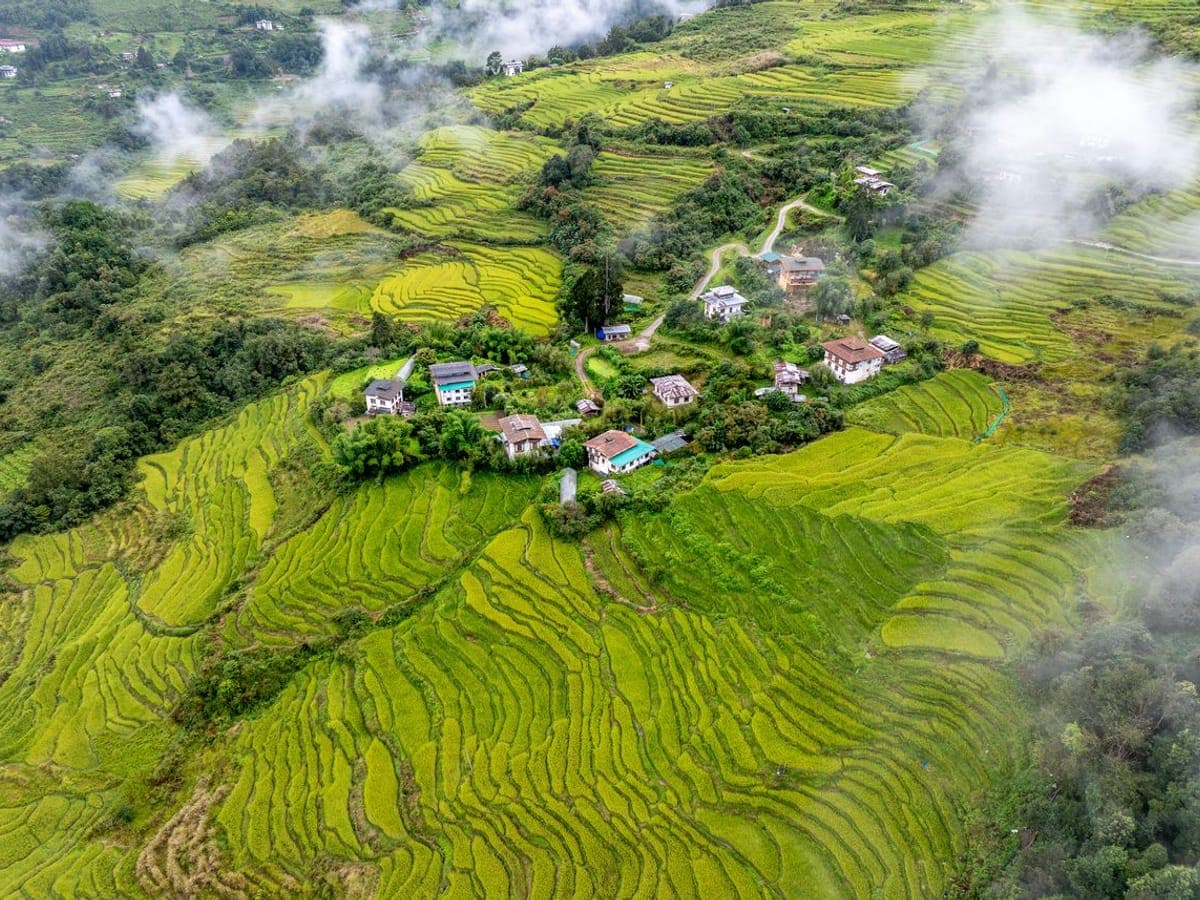
Monsoon rain comes in short daily bursts, and the valleys turn deep green without excessive heat or humidity.
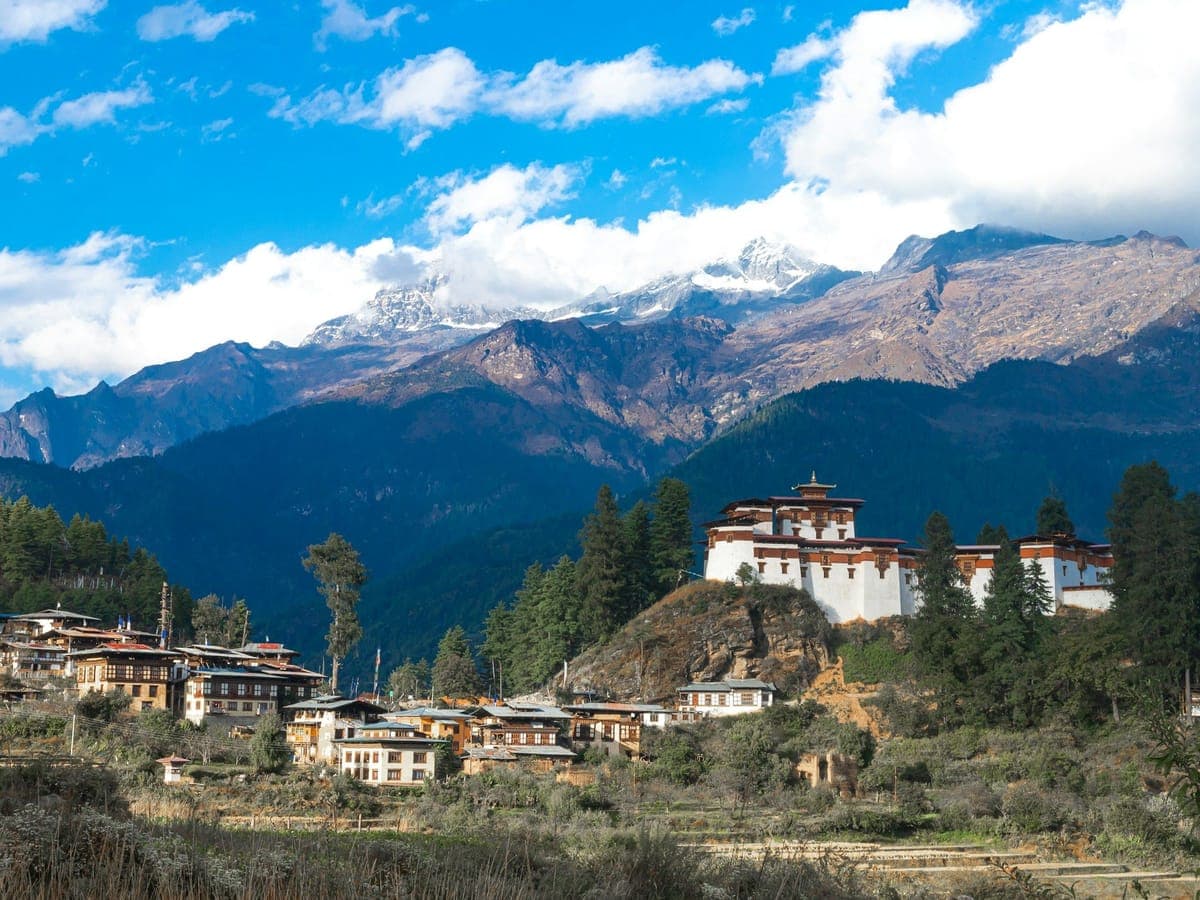
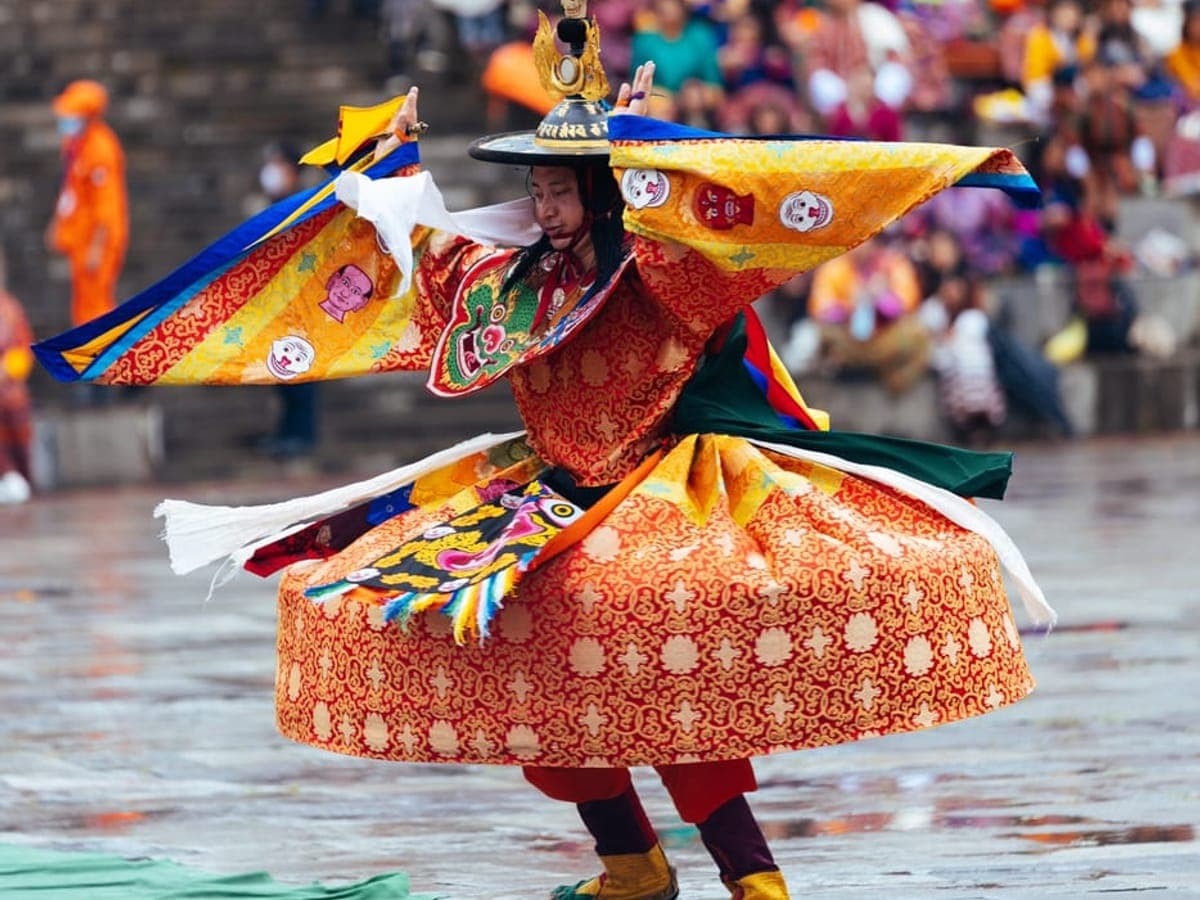
September – November 3–19°C in Thimphu
The traditional high season: clear mountain views, especially in October, and the most tshechu festivals of the year.
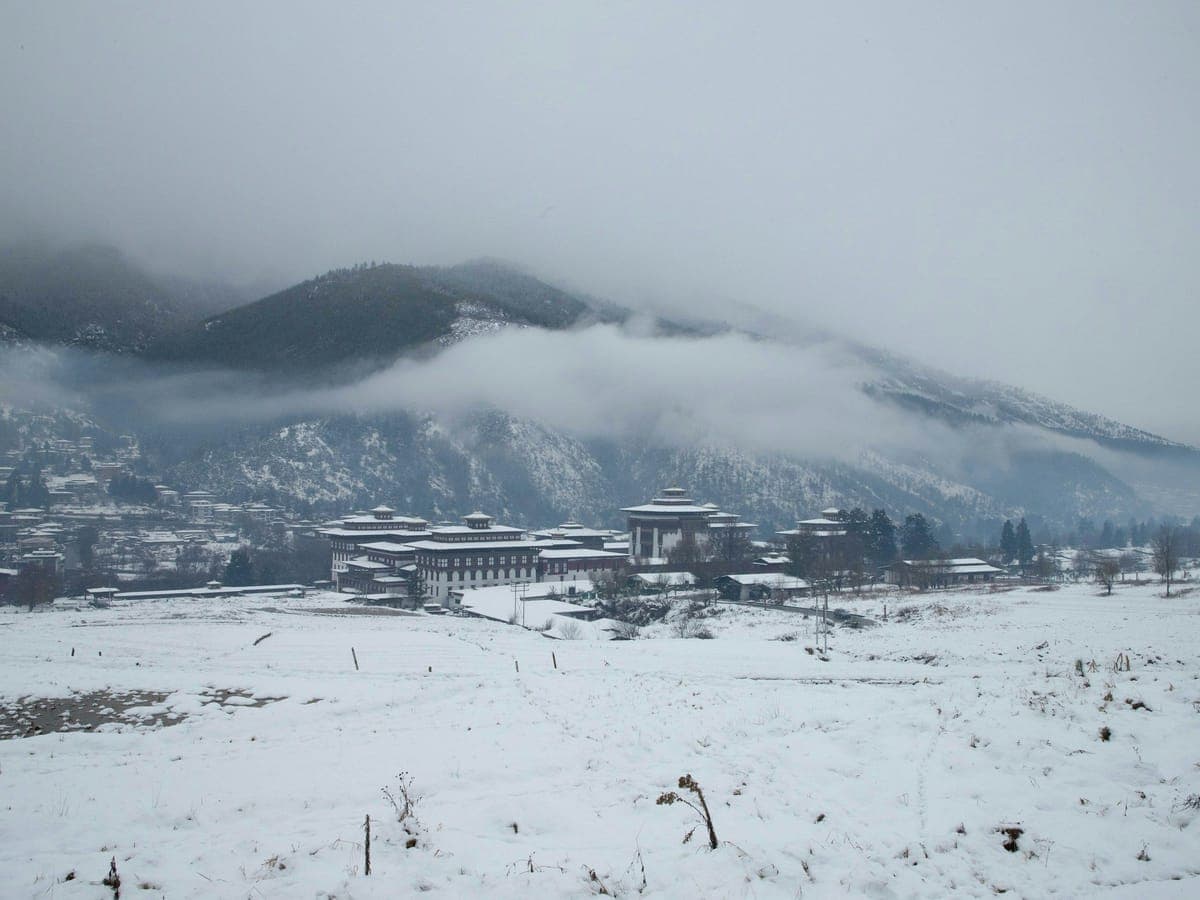
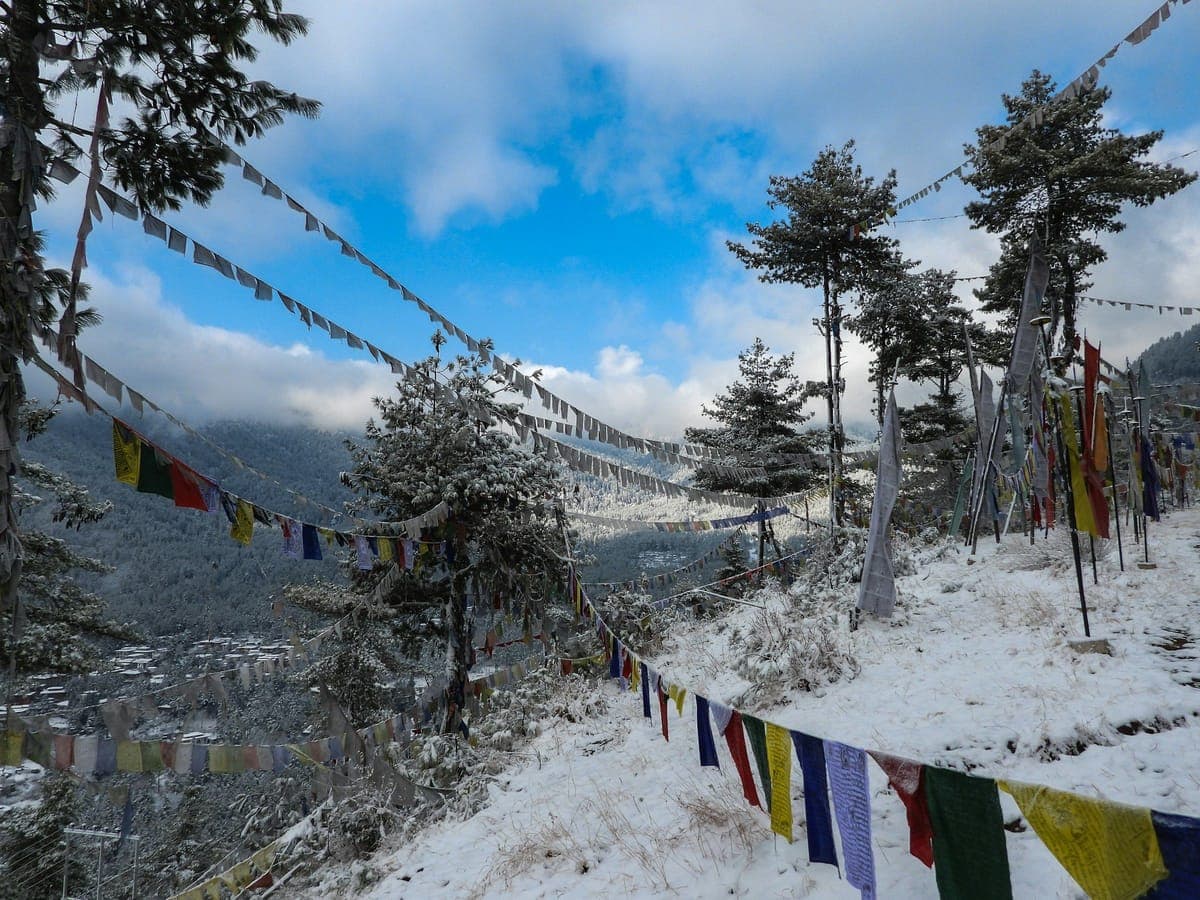
December – February −1 to 13°C in Thimphu
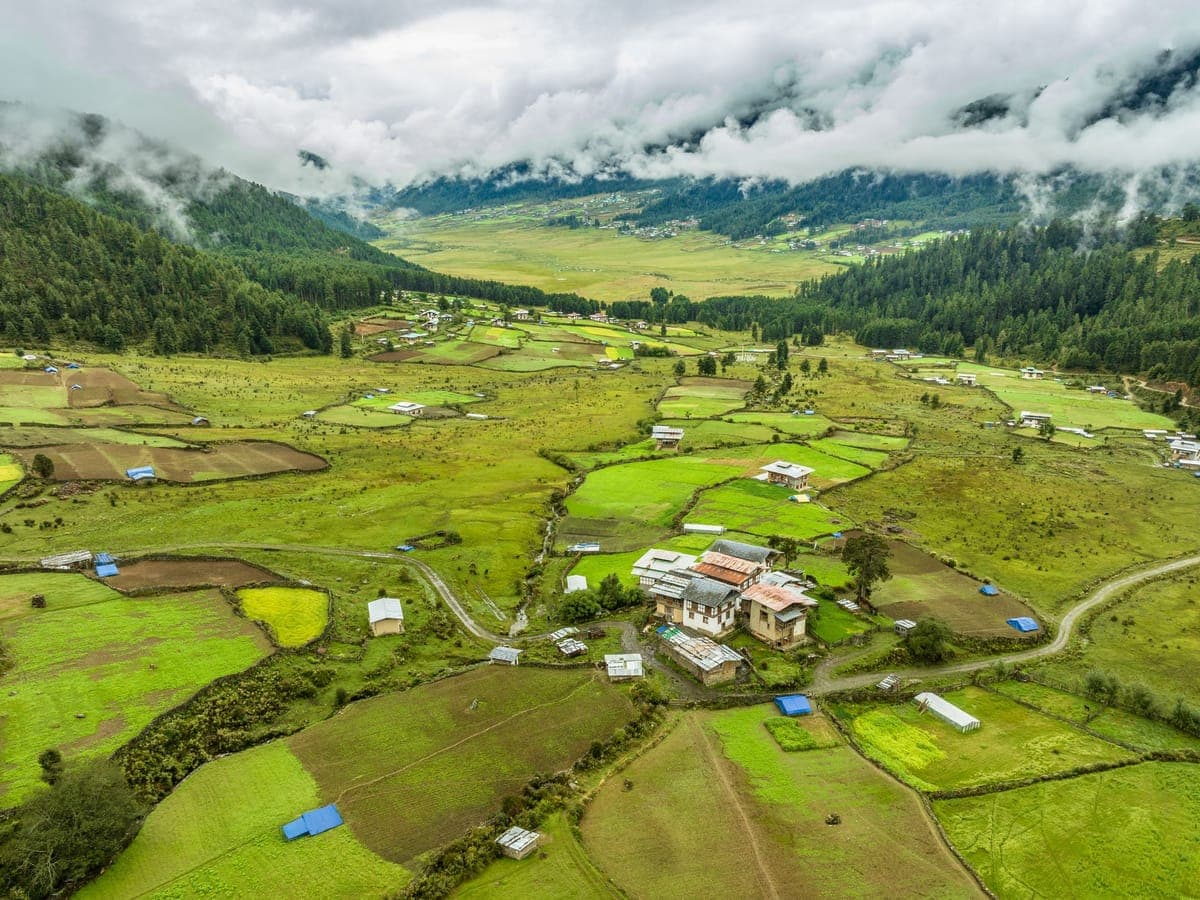
High passes close under snow, but the lower valleys are calm and bright, and black-necked cranes arrive in Phobjikha and Bumdeling.
The best seasons to visit Bhutan are spring (March, April & May) and autumn (September, October & November) — both feature major religious festivals alongside ideal conditions for trekking and mountain viewing.
Spring (March–May): moderate-altitude trekking begins, with spectacular rhododendron blooms above 3,000m. Weather stays pleasantly mild, though May brings early monsoon rain. This period is also excellent for rafting and includes major festivals like Paro Tshechu.
Summer (June–August): monsoon rains arrive, but settled central and western areas keep pleasant temperatures without excessive heat or humidity. High-altitude treks pass through verdant meadows with blue poppies and edelweiss; rain typically falls in short daily bursts.
Autumn (September–November): the traditional high season, offering the most tshechus (festivals) and clearest mountain vistas, particularly in October with minimal rainfall. Rice harvest creates picturesque terraced landscapes.
Winter (December–February): ideal for bird watching in the southern jungles and lower-altitude village trekking. High mountain routes become snow-covered and impassable, but this is when the endangered black-necked crane arrives in Bumdeling and Phobjikha valleys.
Bottom line: Bhutan is visitable year-round, and each season offers a genuinely different trip.
The chart below lets you switch between all 20 dzongkhags (districts) to see average monthly low and high temperatures. Figures are elevation-adjusted estimates, not station-measured records, so treat them as a planning guide rather than a forecast — the southern border districts stay warm and subtropical year-round, the mid-hill valleys most tour itineraries spend the most time in are mild, and the high northern districts around Gasa, Bumthang, and Haa run cold, especially in winter.
Samtse (~260m)
Tailor-made pricing
Get a quote for your dates
Price depends on group size, season and hotel category.

A deeper cultural expedition across Bhutan's western valleys, with time in the Phobjikha Valley, winter home of the rare black-necked crane.